
New findings have raised concerns about the nutrient load entering Twin Lakes. Water quality remains “good to excellent,” according to a report. But with greater stress on the watershed coming into view, the Twin Lakes Association board plans an education push this year centered on septic maintenance and shoreline buffers.
The 2025 water quality report, conducted by Northeast Aquatic Research, is based on monthly monitoring at Twin Lakes from March through November. It was released in April.
Overall findings confirm little change in water quality the past few years. That is welcome news. But the study highlights seasonal bacteria spikes and modestly elevated phosphorous and nitrogen levels near some inlets as well as more widely spread chlorine traces. These point to potential problems from rainwater runoff and poorly maintained septics.
This is not just a waterfront concern. All land, including forests, farms, dirt roads, and backyards, drain to shared water resources. Nutrient spikes have been noted in many streams emptying into Twin Lakes.
Elements like phosphorous and nitrogen promote unsightly algae that clouds the water and can become a health concern in the case of cyanobacteria, which has been noted in an increasing number of northern U.S. lakes as the climate warms and has been spotted in small patches at times in Twin Lakes. Some practical steps property owners should consider:
- Pump septic systems every two years.
- Minimize fertilizers, pesticides, and household chemicals that may enter the watershed.
- Create a natural shoreline by planting native vegetation along streams, lakes, and wetlands to filter rainwater runoff.
The water quality report and the TLA response and recommendations will be a central topic at the June 13 membership meeting, when the TLA will make materials available to help property owners create a more sustainable environment.
These materials will include Nature’s Action Guide, a book about how simple actions like turning off outside lights and identifying and removing invasive plants can make a difference. This book is available online now. The TLA has purchased 50 copies and will sell them at the June meeting for $20 each (a $10 discount to retail price).
The 2026 water treatment and survey schedule is similar to last year. It will run April through November. The latest data show no evidence of healthy hydrilla beds. This is encouraging. But hydrilla turions, or buds that sink to the lake bottom and later sprout, may still be lying dormant from earlier years.
An overview of activity:
• April: Began water quality sampling and survey for Curly Leaf pondweed and Eurasian milfoil.
• May: Treat Curley Leaf pondweed in middle and west twin and start Sonar treatment for hydrilla in east twin. Permits have been approved and herbicide treatments will be applied Monday, May 18.
• June: Comprehensive plant survey, hydrilla booster treatments, and milfoil treatments (if needed).
• July: Rare and other aquatic plant species survey, diver search for hydrilla.
• June: Comprehensive plant survey, hydrilla booster treatments, and milfoil treatments.
• July: Rare and other species survey, diver search for hydrilla.
• August: Hydrilla booster in east twin, species survey with snorkels, diver search for hydrilla.
• September: Survey and evaluate treatments.
• October: Final plant survey and document hydrilla.
The TLA budget reaches $500,000 this year. We are in excellent shape to meet these expenses, thanks to members’ generous donations, our success in winning grants, and the town’s support. The TLA has been awarded a third $75,000 state grant through the 2026 Aquatic Invasive Species (AIS) stamp program. Late last year, the TLA received a third grant of $25,000 from the Bates Foundation. In the last three years, the TLA has won more than $300,000 in grants.
State AIS grants and town contributions account for a third of hydrilla treatment costs. The remainder is funded by TLA members and donors. Ongoing financial support is critical.
Salisbury School has joined the TLA as a partner in managing tape grass in the rowing lanes on west twin. A new harvester will be delivered this month and tape grass maintenance is set to begin by early July. This new program will be discussed at the June membership meeting.
The Isola Bella underpass, popular with lake goers in kayaks and canoes, may be reopened this year. The TLA board will decide after examining the area for hydrilla in coming weeks.
Boat launch monitors return to O’Hara’s Landing this year, beginning with weekends in early May and then daily Memorial Day through Labor Day. We welcome back mostly the same staff as last year with their additional training and greater ability to identify and record plant fragments and answer boaters’ questions.
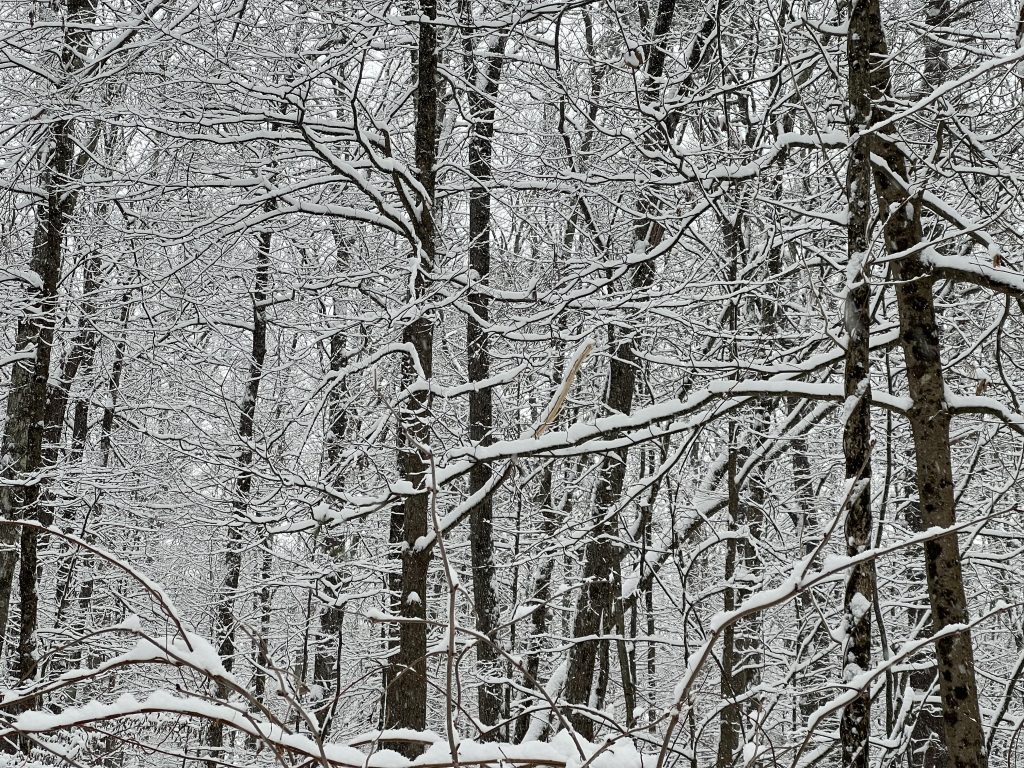
The photo contest theme this year is “winter white.” This year’s epic snowfall locally was the most in a decade and yielded many beautiful vistas. We expect some of you captured that in photos. Please submit them. Entries need not feature snow. Be creative. A row of lightly colored Adirondak chairs or Hydrangeas in bloom would work nicely.
Reply to this email with entries or email them to dankadlec17@gmail.com. You can also enter by posting publicly on Instagram with #TLAphoto2026 and tagging @dankadlec. Entries may be posted publicly on the TLA website, Instragram, or elsewhere.
Save the dates: Membership meeting is June 13. Annual meeting and Twin Lakes Day are Aug. 8 (a bit later than usual). Both meetings and Twin Lakes Day will be at Isola Bella campgrounds.